Shop Baseball Infielders Gloves
Looking for the right baseball infielders glove? Find a glove designed to suit the demands of playing second base, shortstop, or third base. Infielders need equipment that feels comfortable, provides reliable ball control, and supports quick transfers when fielding ground balls and making throws.
Our collection of infield baseball gloves helps players compare glove sizes, pocket designs, web styles, and materials to find an option that suits their position and playing preferences. Whether you’re shopping for a developing youth player or an experienced adult athlete, choosing a well-fitting glove is an important step toward feeling prepared on the field.
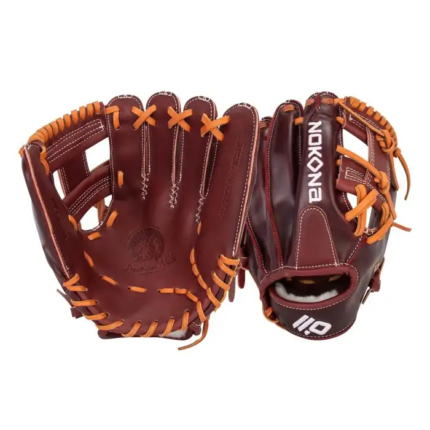
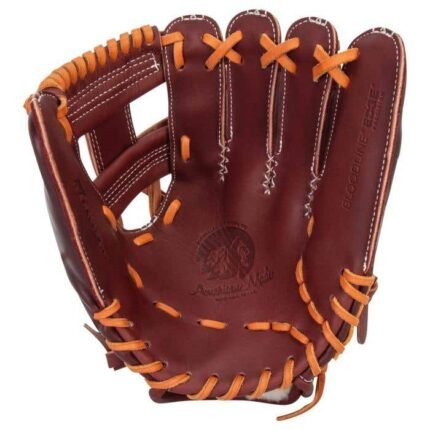
Nokona Edge Bloodline 11.5″ Baseball Glove – 2026 Model
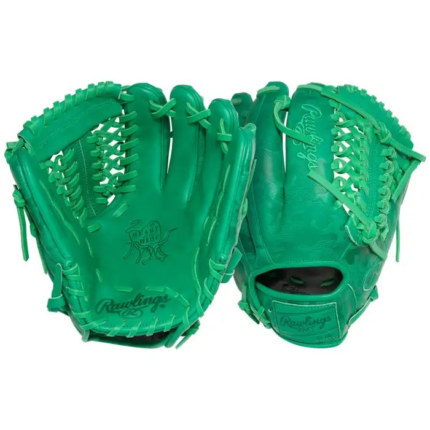
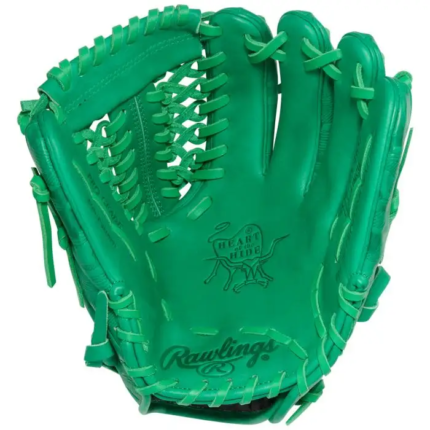
Rawlings Heart of the Hide ColorSync 10.0 PROR205-4KG 11.75″ Baseball Glove
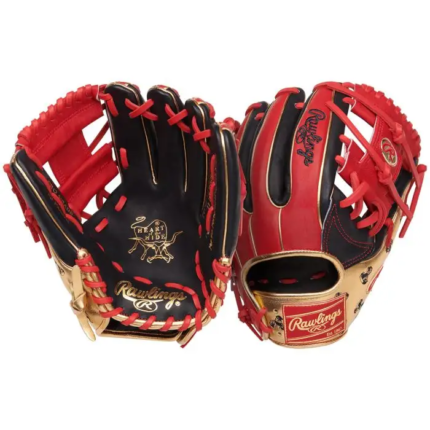
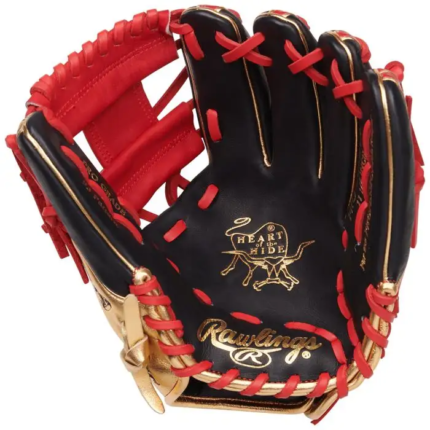
Rawlings Heart of the Hide Gold Glove Club PRO-GOLDYIX 11.5″ Baseball Glove
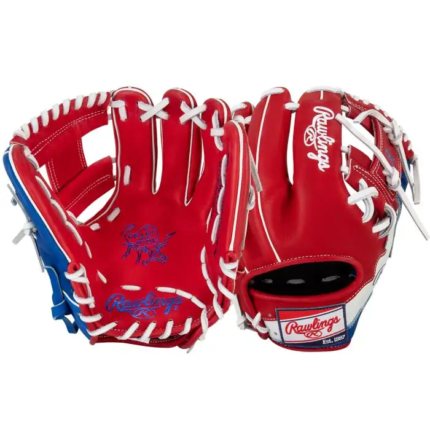
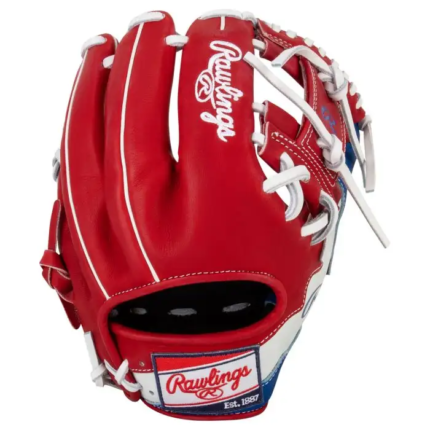
Rawlings Heart of the Hide Gold Glove Club PROR204-2SRW 11.5″ Baseball Glove
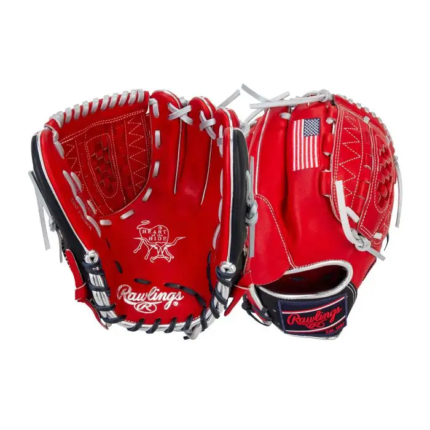
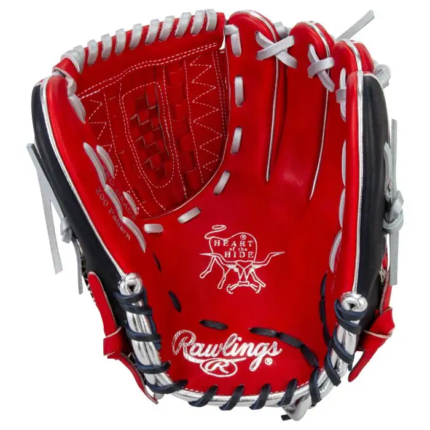
Rawlings Heart of the Hide Monkey Exclusive PRO206 12″ Baseball Glove – Scarlet/Navy
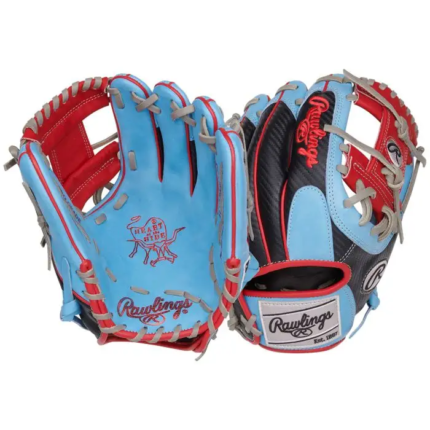
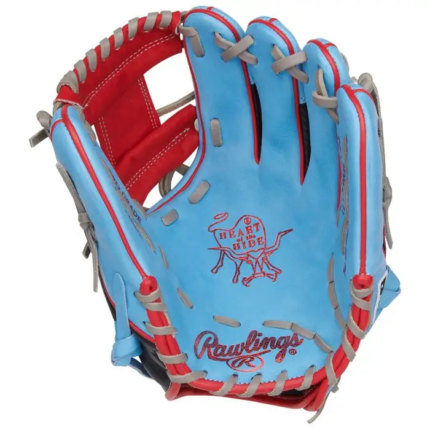
Rawlings Heart of the Hide PROR204-2CBS 11.5″ Baseball Glove – 2025 Model
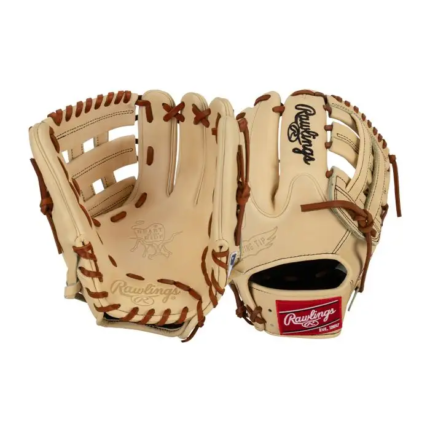
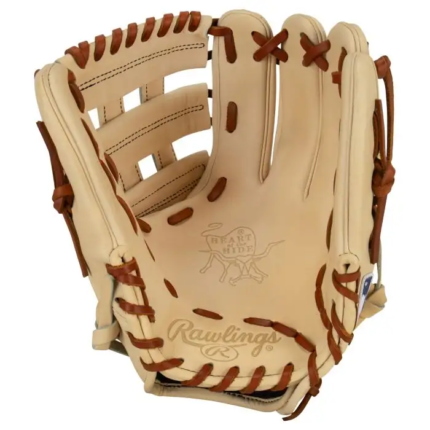
Rawlings Heart of the Hide PROT205W-6C 11.75″ Baseball Glove
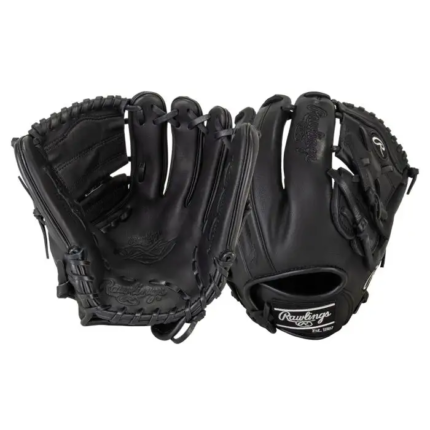
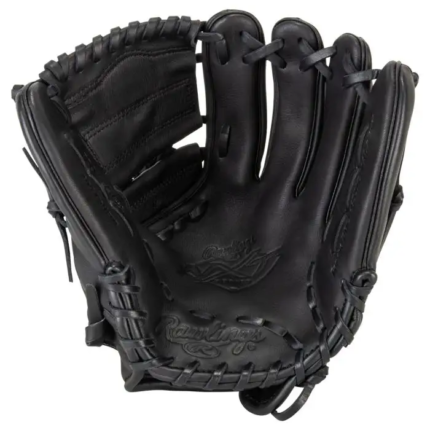
Rawlings NXT 205U-9B Monkey Exclusive 11.75″ Baseball Glove
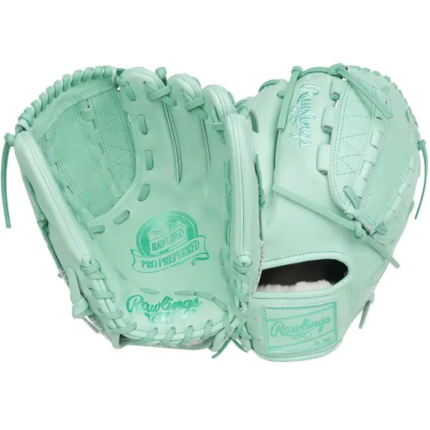
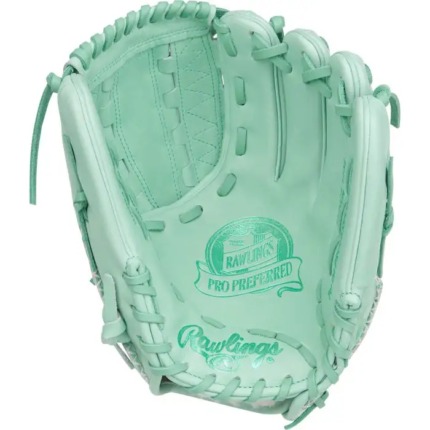
Rawlings Pro Preferred PROS206-12M 12″ Baseball Glove – 2026 Model
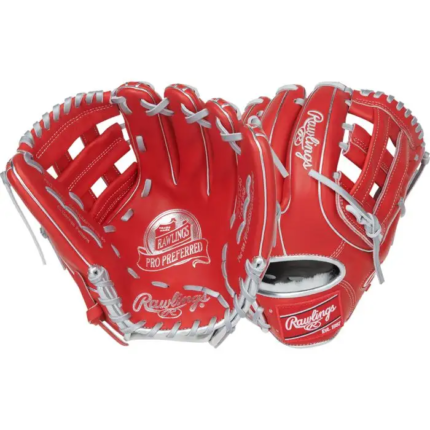
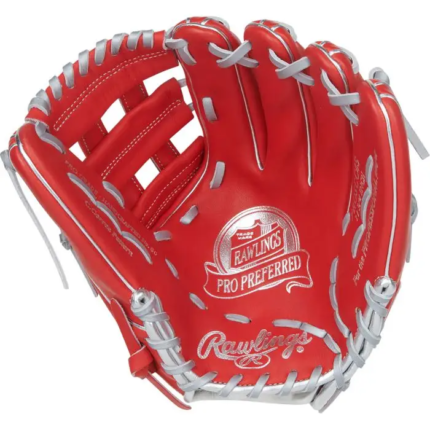
Rawlings Pro Preferred PROSCC4S Carlos Correa 11.75″ Baseball Glove – 2026 Model
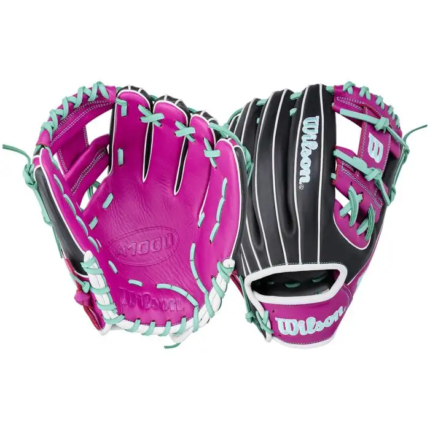
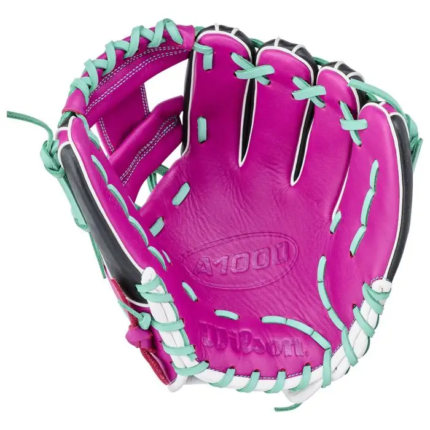
Wilson A1000 1788 11.25 Baseball Glove – Raspberry/Black – 2026 Model
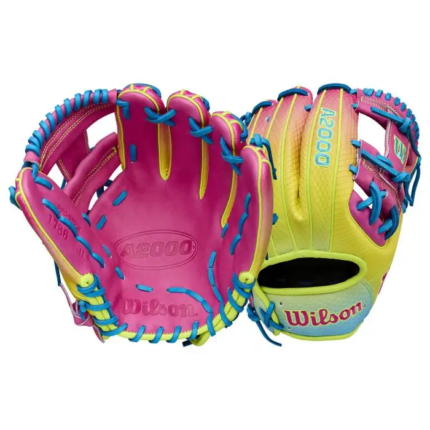
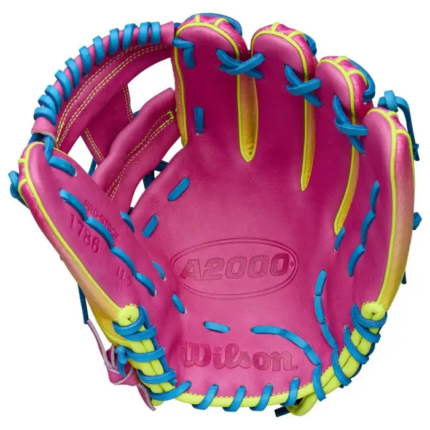
Wilson A2000 1786SS 11.5″ Baseball Glove – Pink Lemonade – 2025 Model
hoose the Right Baseball Gloves for Infield Play
The right baseball gloves for infield should feel secure on your hand and allow you to control the glove comfortably. Infielders frequently handle ground balls and need to move the ball from glove to throwing hand efficiently, so glove fit and pocket design are important considerations.
When comparing baseball infield gloves, consider these features:
- Glove size: Choose a size appropriate for your hand, age, and position.
- Pocket depth: Many infielders prefer a shallower pocket that supports quick ball retrieval.
- Web design: Different web styles offer different visibility, structure, and pocket characteristics.
- Fit and control: The glove should feel secure without being difficult to open or close.
- Material: Leather and synthetic options can differ in feel, durability, care requirements, and break-in time.
- Break-in needs: Some gloves require more conditioning and use before they feel comfortable and responsive.
Individual preferences vary, so compare product specifications and choose an infield glove that suits your playing style.
Infield Gloves for Different Baseball Positions
Although second basemen, shortstops, and third basemen all play in the infield, they may prefer different glove sizes and designs. Consider the demands of the position when choosing your next glove.
Second Base Gloves
Second basemen often value a manageable glove that supports quick transfers and controlled fielding. A compact design may suit players who prioritize handling ground balls and making fast plays around the base.
Check the glove's size, pocket, and fit to make sure it feels comfortable during repeated fielding drills.
Shortstop Gloves
Shortstops handle a variety of defensive plays, including ground balls, line drives, and throws from different body positions. Many prefer a glove that balances control, pocket depth, and reach.
When choosing a shortstop glove, consider how the design feels when fielding and transferring the ball. The ideal option depends on your hand size, technique, and personal preferences.
Third Base Gloves
Third basemen often face hard-hit balls and may prefer a glove that balances a secure pocket with a suitable catching surface. Some players favor a slightly larger infield glove than they would use at second base.
Compare glove construction, web design, and overall fit to find an option suited to the demands of third base.
Find a Youth Infielder Baseball Glove
Choosing a youth infielder baseball glove requires careful attention to fit and control. Young players need a glove they can manage comfortably while learning the fundamentals of fielding, catching, and throwing.
When shopping for a youth infield glove, consider:
- Correct sizing: Follow the manufacturer's sizing guidance and account for the player's hand size and position.
- Easy handling: Choose a glove the player can open and close comfortably.
- Position suitability: Look for a design appropriate for infield play rather than choosing by appearance alone.
- Material and flexibility: Consider the glove's break-in requirements and how easily the player can use it.
- Comfort: Check that the glove fits securely and does not restrict natural hand movement.
Avoid buying a glove that is excessively large simply to allow room for growth. A glove that the player can control now is often a more practical choice for developing fielding skills.
Browse our [Baseball Gloves] collection to compare available youth options and find a glove suited to the player's needs.
Shop Adult Baseball Infield Gloves
An adult baseball glove for infield play should suit the player's hand size, position, and preferred feel. Adult players may have specific requirements for pocket shape, material, web design, and break-in time.
When comparing adult baseball gloves infield players might prefer, consider the following:
- Fit: The glove should feel secure and comfortable during extended play.
- Position: Second basemen, shortstops, and third basemen may prefer different sizes and pocket characteristics.
- Material: Review whether the glove is made from leather, synthetic material, or a combination.
- Break-in period: Check the manufacturer's guidance to understand how much preparation the glove may require.
- Playing frequency: Consider how often you play and the type of use the glove will receive.
The right infielder baseball glove should complement your technique and feel manageable during practice and games. Review individual product details before choosing a model.
How to Choose the Best Baseball Infield Glove
With several infield baseball gloves available, narrowing down your options starts with identifying your needs.
- Know your position. Consider whether you primarily play second base, shortstop, or third base.
- Check the size. Use the manufacturer's recommendations as a starting point.
- Consider the pocket. Choose a design that suits your preferred method of fielding and transferring the ball.
- Compare web styles. Review the available constructions and consider your visibility and pocket preferences.
- Evaluate the material. Different materials offer different feel, maintenance, and break-in requirements.
- Think about comfort. Make sure the glove fits securely and can be controlled comfortably.
- Review product specifications. Confirm the intended position, size, and other relevant details before purchasing.
There is no single glove that suits every infielder. The best choice is one that fits properly and matches the player's position, experience, and preferences.
Baseball Infield Gloves vs. Other Fielding Gloves
Infield gloves are designed around the handling needs of infield play, but they are not the only type of baseball fielding glove available.
- Infield gloves: Often feature a more compact design and pocket suited to quick handling.
- Outfield gloves: May have a larger catching surface and deeper pocket to help handle fly balls.
- First-base mitts: Use a specialized shape designed for receiving throws around first base.
- Catcher's mitts: Are purpose-built for receiving pitches behind home plate.
Choosing the right category helps you focus on equipment intended for your position. If you play multiple positions, consider the type of glove that best suits your primary role and check the product specifications before buying.
Explore [Baseball Gloves] to compare other glove styles, or visit [ALL GLOVES] for the broader baseball and softball selection.
Care Tips for Your Baseball Infielders Glove
Proper care can help maintain the condition and feel of your glove throughout the season. Always follow the manufacturer's instructions for the specific model and material.
- Remove loose dirt using a soft cloth or suitable brush.
- Allow a damp glove to dry naturally in a well-ventilated area.
- Keep your glove away from excessive heat and prolonged direct sunlight.
- Use only conditioners approved for the glove's material.
- Avoid aggressive break-in methods that may damage the pocket, laces, or leather.
- Inspect the laces and stitching periodically for signs of wear.
- Store the glove in a cool, dry place between games.
Regular care can help keep your glove ready for practices and defensive play.
Complete Your Baseball Equipment
An infield glove is an important part of your defensive setup, but you may need other equipment depending on your role and level of play. Batting gloves can provide grip and comfort at the plate, while catchers require specialized protective gear.
Explore [Baseball Gloves] to compare other fielding options and browse [ALL GLOVES] for baseball and fastpitch softball glove styles.
For official baseball rules and related resources, visit USA Baseball's official website or consult the governing organization for your league.